AeroSight - Cloud-Based Flight Data Monitoring (FDM) & FOQA Solution
Flight Data Monitoring, Anywhere, Anytime
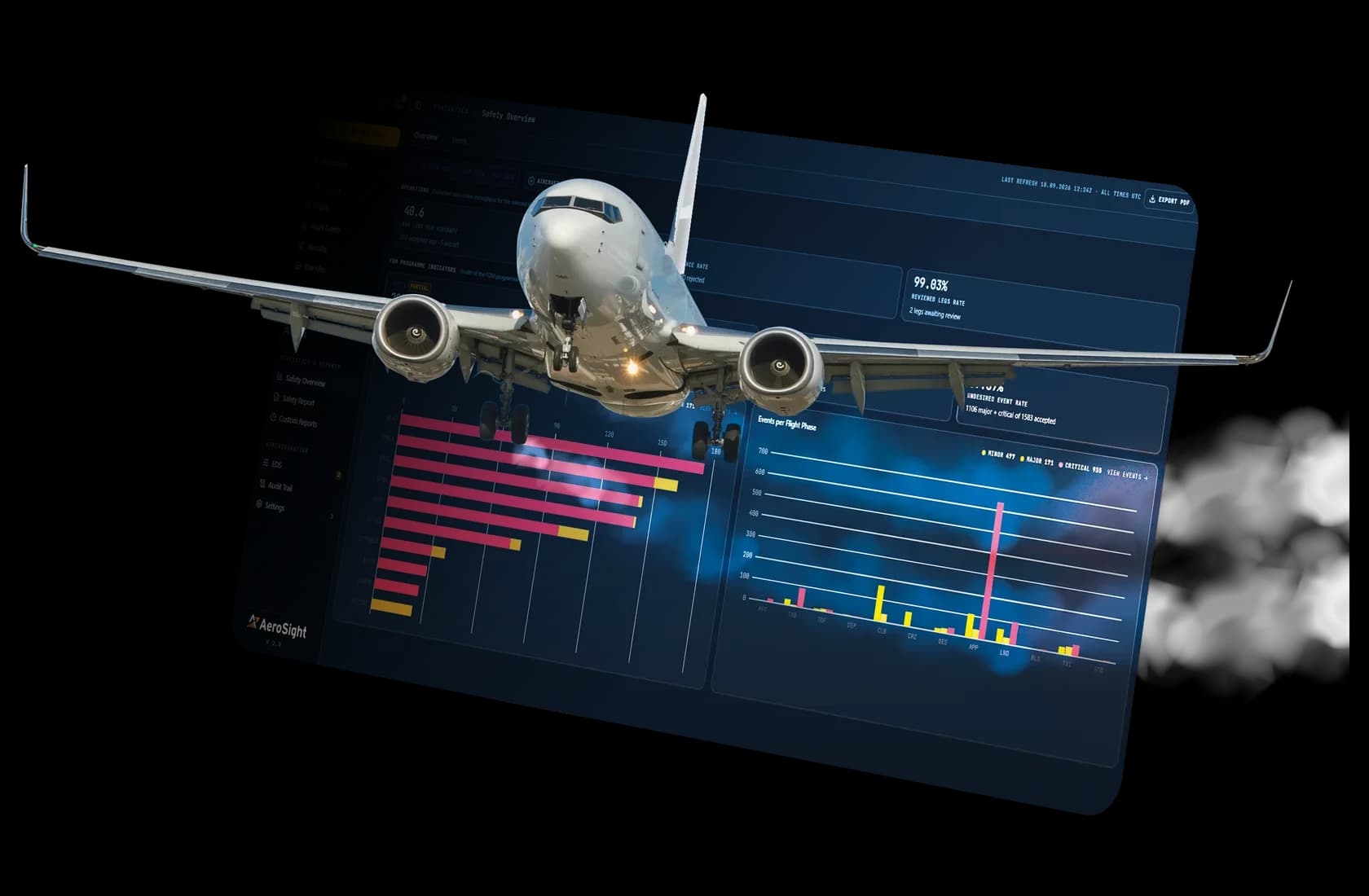
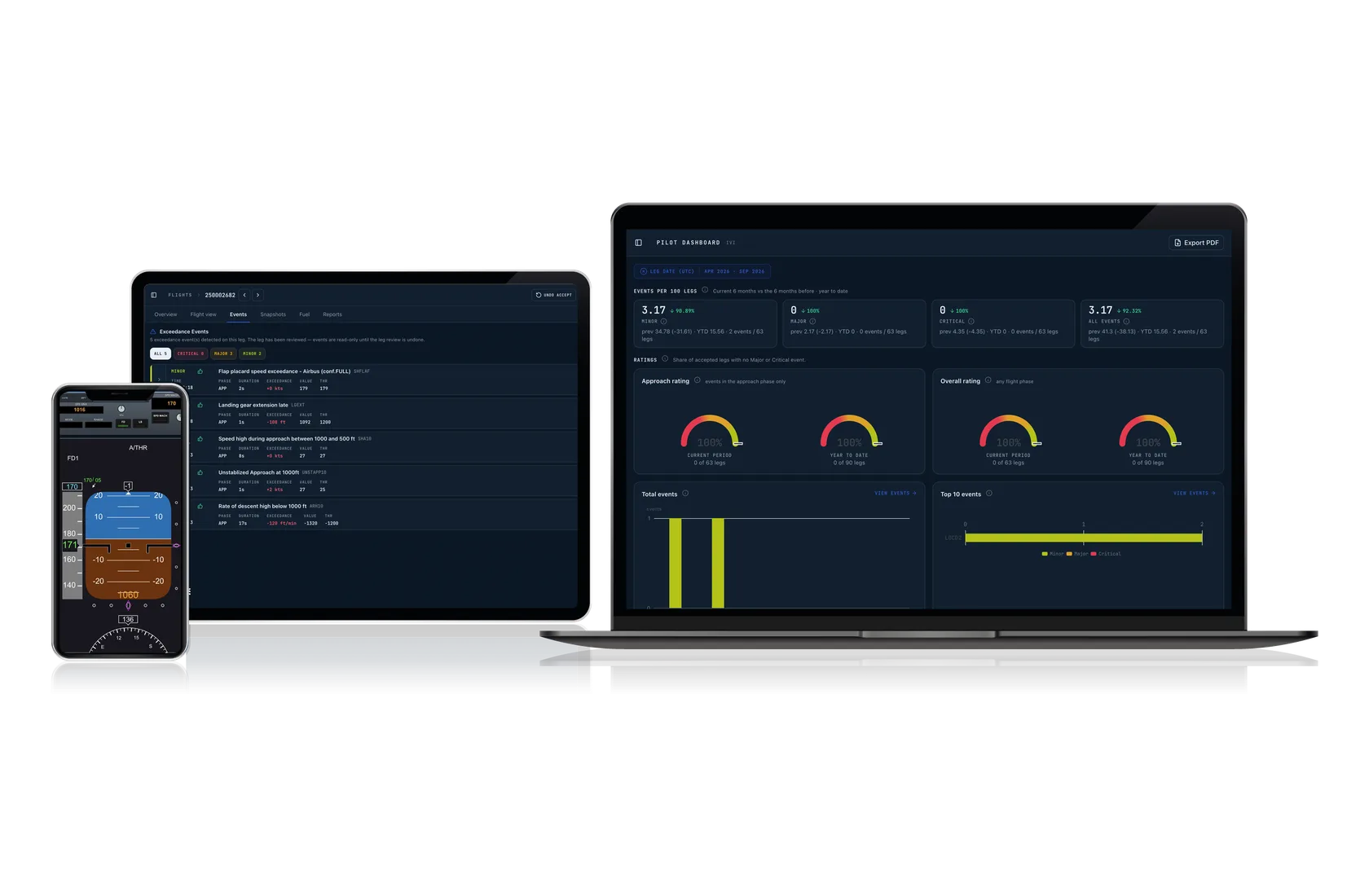
Give every pilot their own data to improve
With Pilot Performance, a pilot given access sees their own performance, not a colleague's.
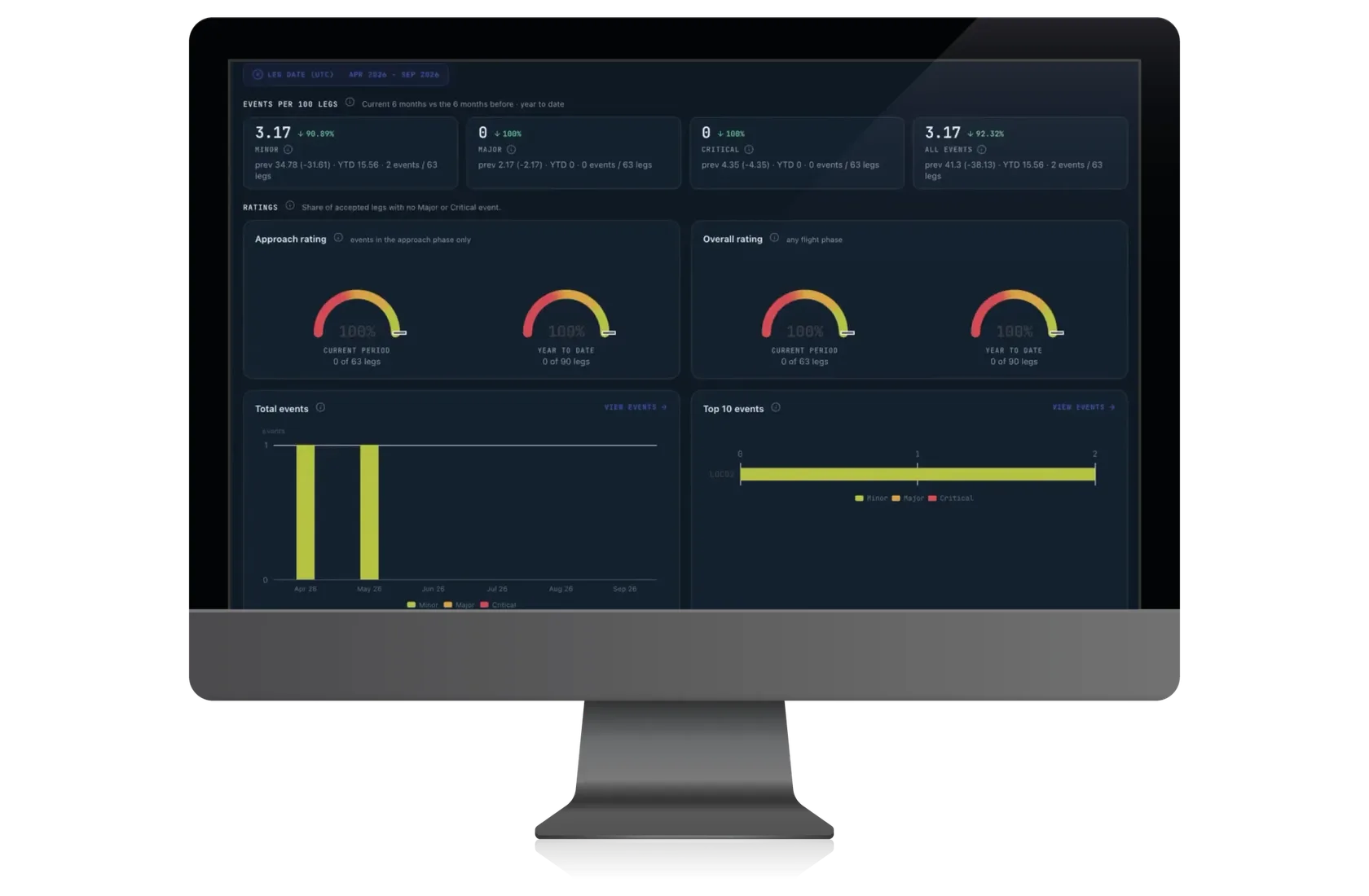
Processed in minutes
Defined by you
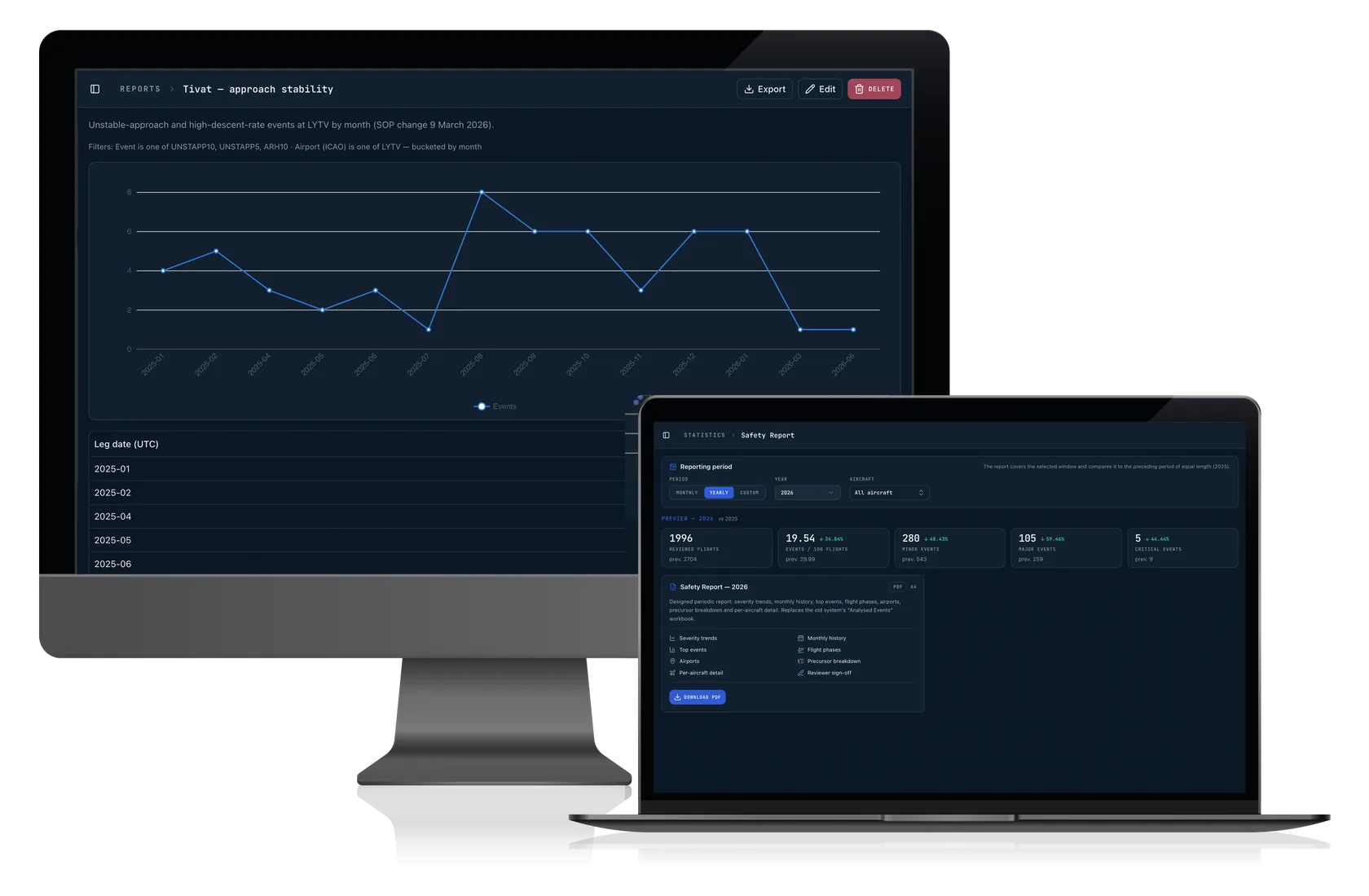
Flexible and custom reporting, built for you
Data readout, parameter-check and periodic safety reports, and a builder for your own.
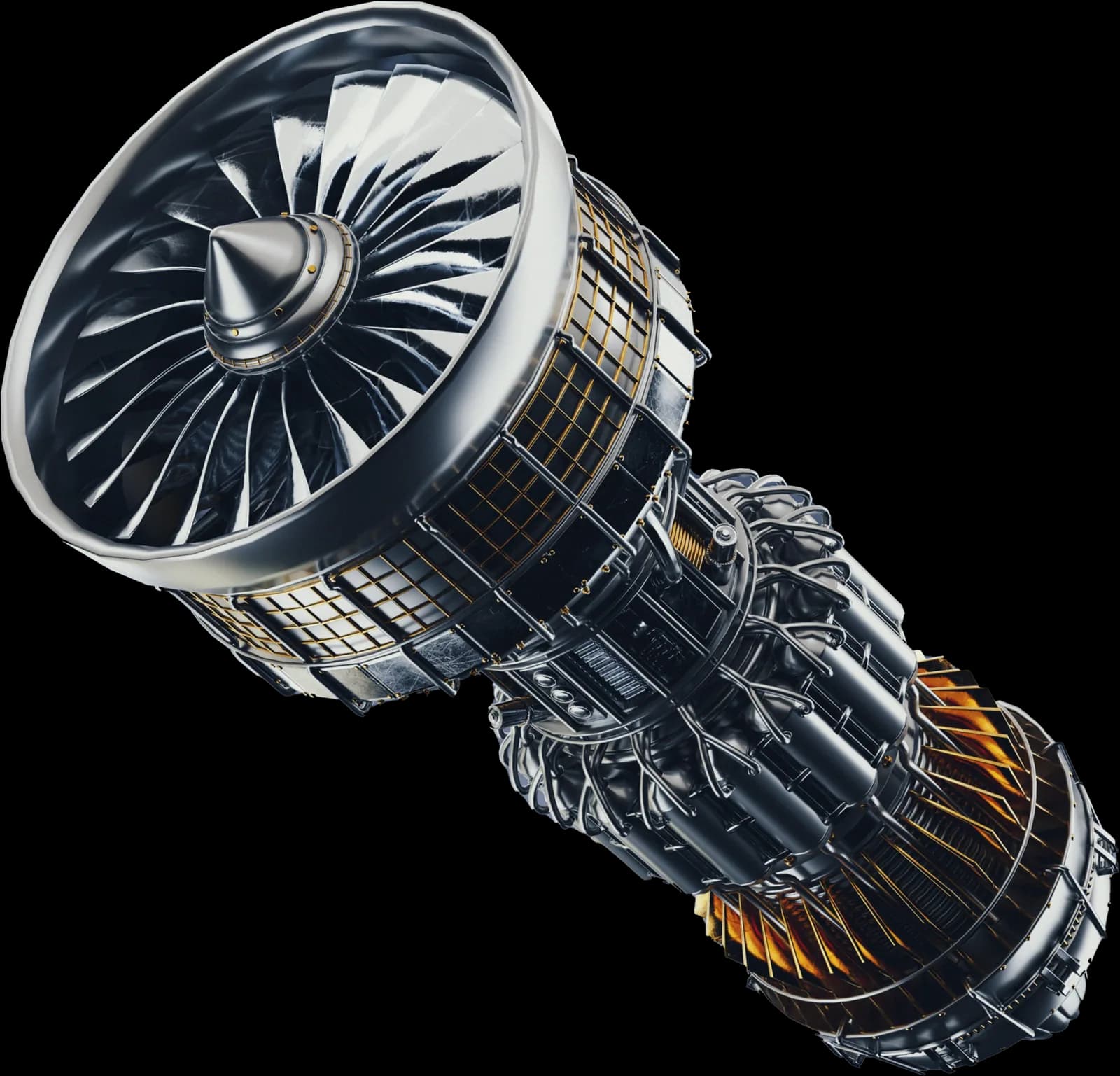
Engines and Fuel statistics, from the same data
Engine condition monitoring and Fuel Efficiency, both from the recorder data you already send.
Ten years of AeroSight, and what comes next
Ten years of turning flight data into safety insight, and the platform we rebuilt from them.
AeroSight FDM v2 puts every flight you fly in one place, tracks engine health and fuel efficiency from the same recorder data, and gives every pilot their own data to improve.
Speed up your FDM programme and bring flight safety to the next level
Many companies perform flight data analysis with outdated software that is time-consuming and error-prone, and that looks at only a fraction of what was recorded. An effective FDM programme analyzes every flight to identify hazards, uses objective traces of flight execution, monitors equipment status and discovers potential safety trends. AeroSight automates the data processing at any scale, from a single aircraft to a large fleet. Increase flight safety and aircraft availability by determining what really affects your operations in an efficient way.
Services
Flight Data Monitoring
Fleet Coverage
Pilot Performance
Engine Condition Monitoring
Fuel Efficiency
Integrations
Latest news
All news and articles →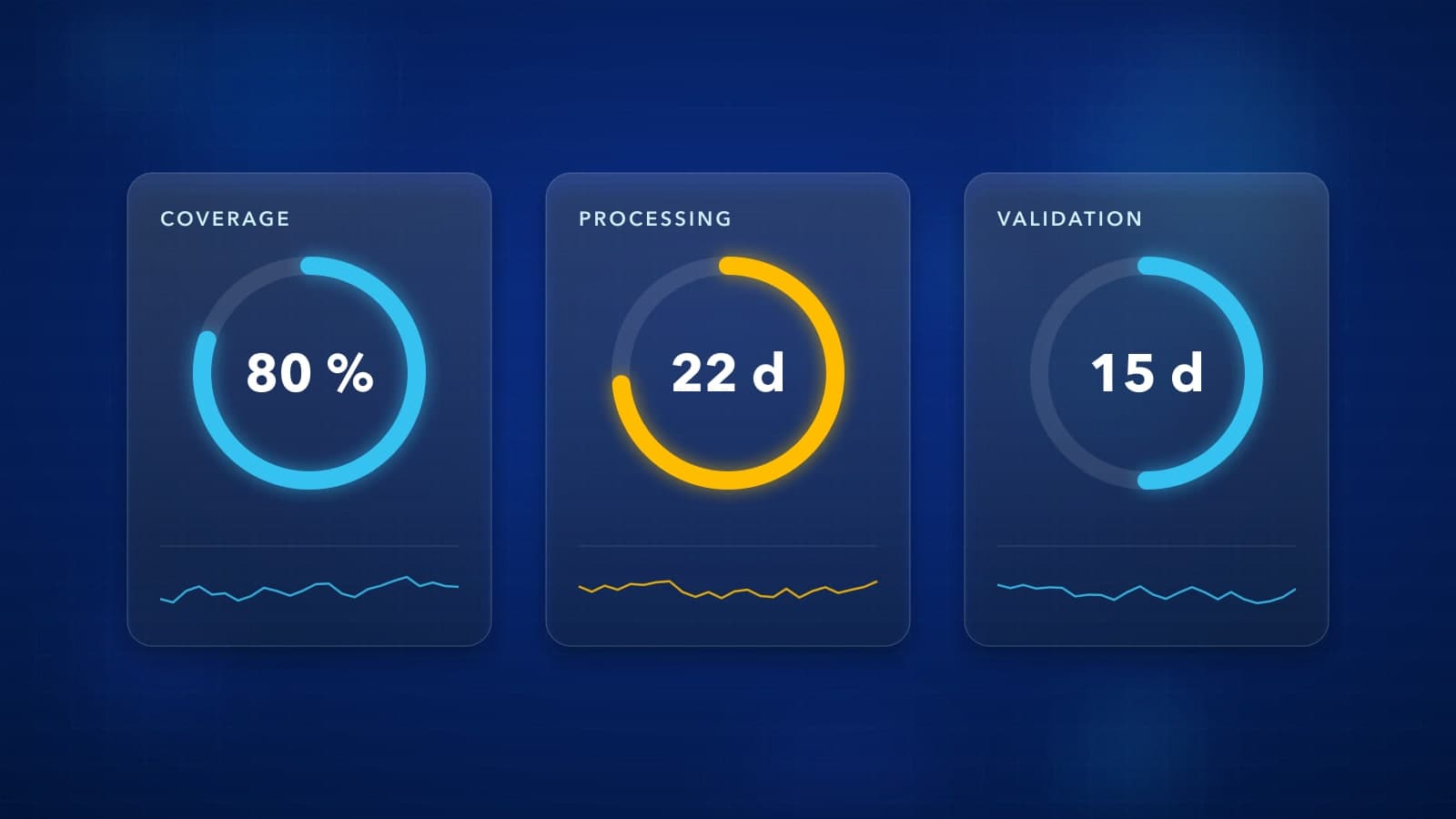
EASA's 2028 FDM targets: what changes on 1 January 2028
From 1 January 2028, EASA's guidance for FDM programmes stops saying "sufficiently" and starts giving numbers: how many flights to cover, how quick to identify a failed QAR, how fast to process data and validate events, and how long to keep it. What each target means, who it applies to, and what to ask your FDM provider in 2027.

Brazil's RBAC 121: New FDM requirements into force from 1 January 2027
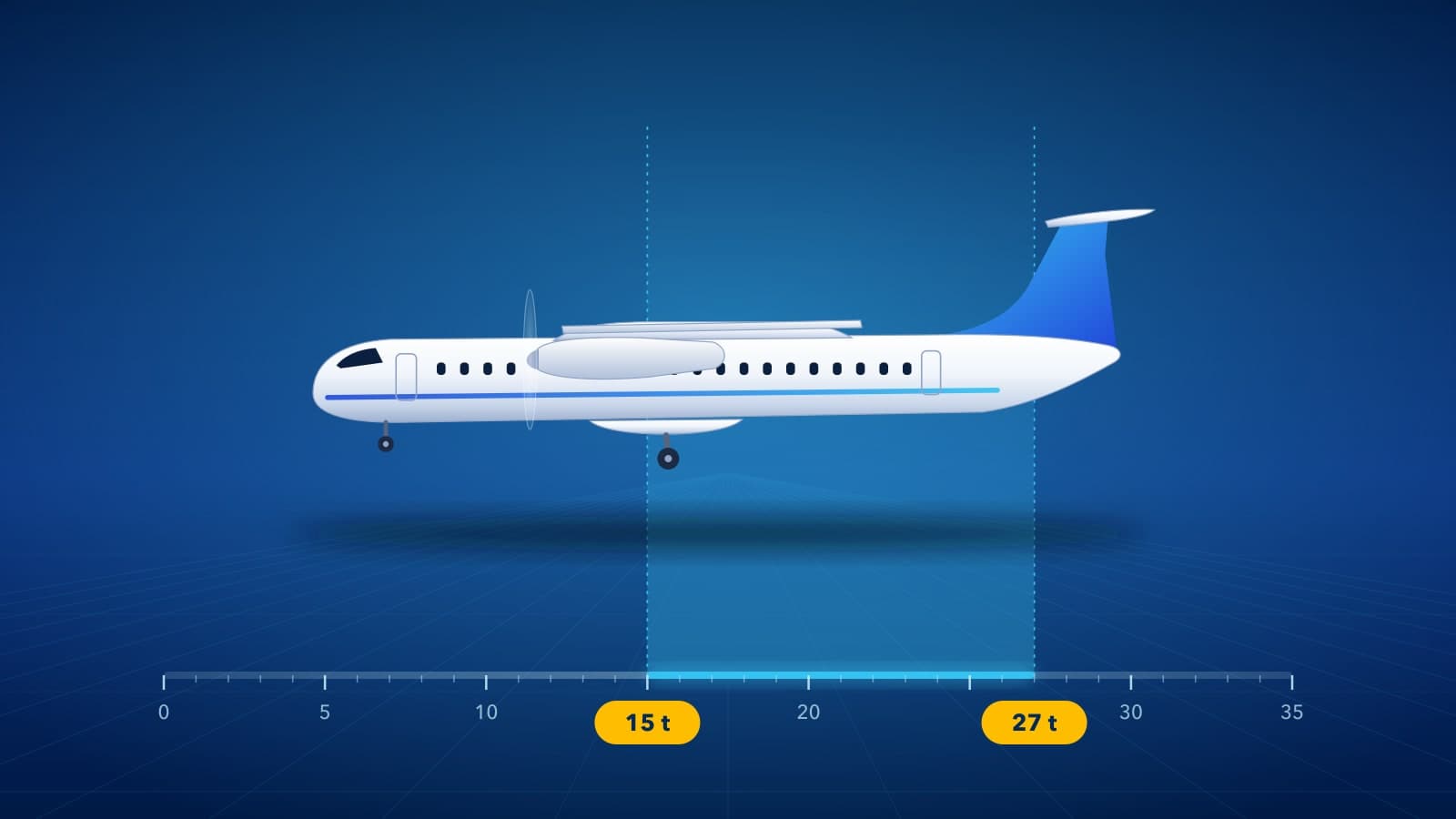
From 1 January 2027, Brazil's RBAC 121 requires a flight data monitoring programme (PAADV) for aeroplanes with a maximum approved take-off weight over 15,000 kg and more than 19 passenger seats, including aeroplanes already in service. What the rule says, who it affects, and how to prepare.
What our customers say
I can confidently say that the AeroSight software has revolutionized our company's FDM program.
The software allows me to easily track and analyse data from flights, including information such as altitude, speed, engine thrust, and more. With this data, I can identify areas of continuous improvement to comply with international safety standards and recommended practices.
The technical support is friendly and excellent; feedback when requested, is prompt and professional.
— Marshallino Coetzee
Safety & Compliance | Flight Data Analyst
The transition to the FDM service went very smoothly. AeroSight demonstrated deep flight safety expertise and engineering skills during the process.
We are most satisfied with the quality of the service provided which matched our expectations.
It significantly improved our Flight Data Monitoring program by relieving the workload related to data processing and allowing the Safety Department to focus on data analysis.
— Angel Petrov
Ground Ops & Commercial Director Purchase & Fleet Acquisitions Director
As a customer of AeroSight for over 2 years now, I can truly say, that we have not experienced another platform with more automated features.
The graphics and readout results are exceptionally interactive, and the support team is extremely supportive.
— Jimmy Larsen
Director of Flight Operations