Brazil's RBAC 121: New FDM requirements into force from 1 January 2027
October 29, 2026 | News
AeroSight Team
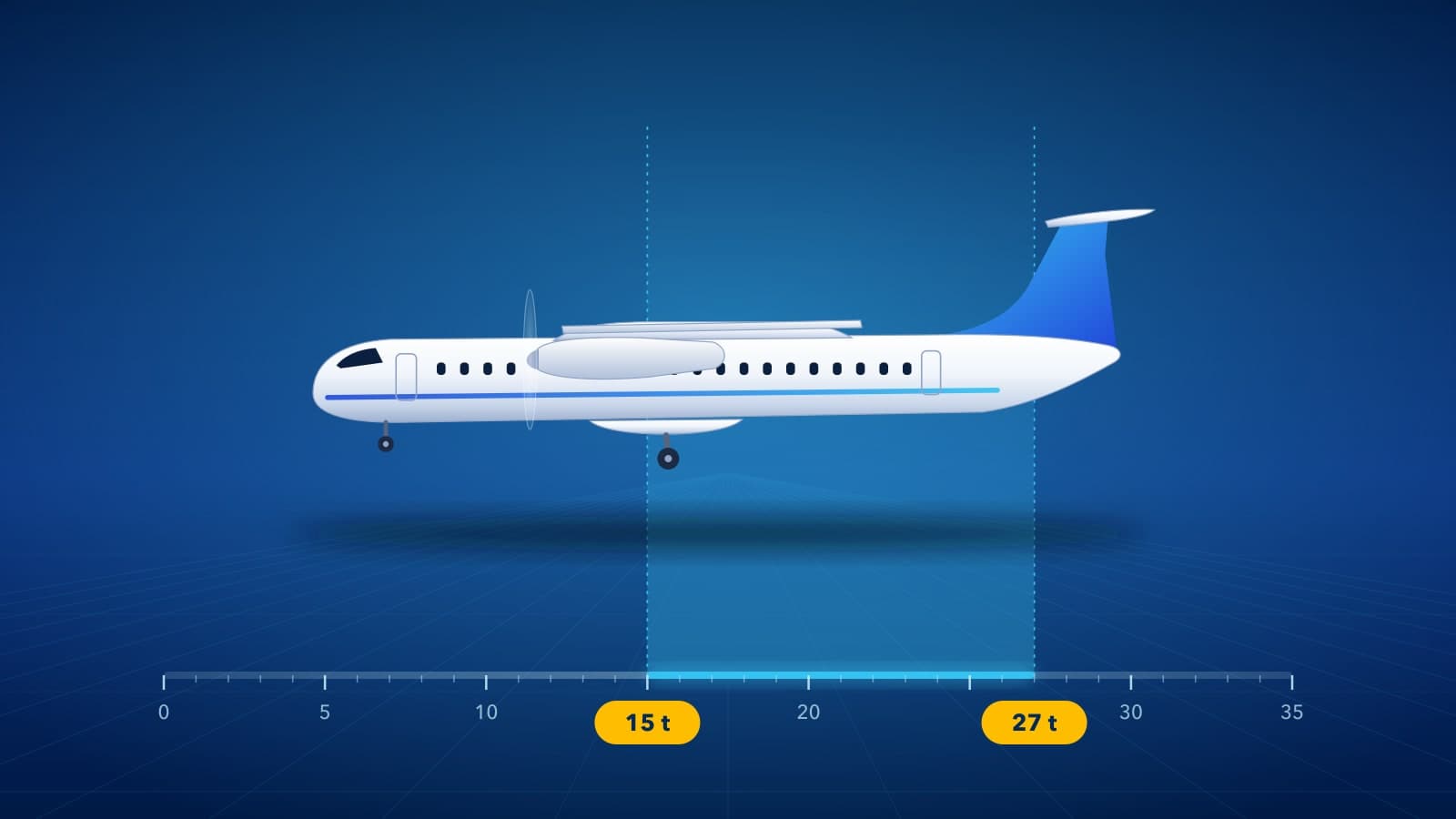
ANAC Resolution 776 of 2025 extends Brazil's PAADV to aeroplanes with a maximum approved take-off weight over 15,000 kg and more than 19 seats from 1 January 2027, including existing fleets whose FDR or QAR can be read without a retrofit.
In August 2025, Brazil's civil aviation authority ANAC added a flight data monitoring requirement to RBAC 121, the rules for airline operations. Brazil calls it a PAADV, a programa de acompanhamento e análise de dados de voo. From 1 January 2027 the requirement reaches regional aeroplanes, and not only new ones.
Brazil goes further than ICAO requirements. The ICAO Annex 6 recommends the operator of an aeroplane of a CTOM > 15 000 kg to establish FDM, and makes it mandatory only for such aeroplanes with certificate of airworthiness first issued on and after 1 January 2027 and passenger seat capacity more than 19, while for operators of Brazil also covers the aeroplanes already in service. This article explains what the rule says, who it affects and what to do in the next few months. For a quick answer for one aeroplane, use our FDM requirements check.
What the rule says
ANAC Resolution 776 of 5 August 2025, in force since its publication on 8 August 2025, added paragraphs (e) to (i) to section 121.1221 of RBAC 121, within the safety management system (SMS, SGSO in Brazil) requirements. RBAC 121 sets the threshold on the maximum approved take-off weight (peso máximo de decolagem aprovado):
(e) An operator of aeroplanes with a maximum approved take-off weight over 27,000 kg must establish and maintain a PAADV as part of its SMS.
(f) From 1 January 2027, the same applies to aeroplanes with a maximum approved take-off weight over 15,000 kg and more than 19 passenger seats whose first certificate of airworthiness is issued from that date.
(g) From 1 January 2027, it also applies to aeroplanes with a maximum approved take-off weight over 15,000 kg and more than 19 passenger seats first certified before 2027, where the FDR or QAR data can be downloaded online or through a USB connection, without a retrofit.
(h) The operator may contract a third party to run the PAADV, but keeps full responsibility for the programme.
(i) The PAADV is non-punitive and must protect its data sources.
Paragraph (g) is what sets Brazil apart.
Who it affects
In practice, the new threshold of 15,000 kg maximum approved take-off weight catches mainly ATR 42 and ATR 72 aeroplanes in passenger configuration, with a maximum take-off weight of about 18,600 kg and 23,000 kg. Larger aeroplanes such as E-Jets, Airbus and Boeing types were already over 27,000 kg maximum approved take-off weight. Freighters have no passenger seats and fall outside the seat test.
For the existing fleet, the deciding question is technical: can the FDR or QAR data be downloaded without modifying the aeroplane? If yes, the aeroplane needs a PAADV from 1 January 2027.
How to prepare before January
List your fleet aeroplane by aeroplane. For each one: maximum approved take-off weight, passenger seats, date of first certificate of airworthiness, and recording equipment.
Confirm how data leaves each aeroplane. Wireless download, a QAR card or an FDR readout over USB. This sets the rhythm of the programme. Where flight data comes from walks through the options.
Get the data frame documentation. The programme has to convert the recording into engineering parameters. Ask the aircraft manufacturer, OEM or STC holder for the documentation early.
Agree your Event Definition Sheet (EDS). Start from the risks that matter most for your type and routes, and decide who reviews and signs off changes.
Put crew protection in writing. The programme is non-punitive. Develop a written procedure on crew identity disclosure and agreement with crew representatives.
Decide who runs the programme. Your own team, a third party or a mix: paragraph (h) allows both.
Meet the deadline without building a team first
If you would rather not hire and train an FDM team before January 2027, AeroSight can run your PAADV as the third party paragraph (h) allows, while your safety team keeps the decisions. See FDM for RBAC 121 operators, or request a free demo with data from your own type.
Rule text checked in October 2026: RBAC 121, Amendment 24, section 121.1221. This article is a summary and does not replace the rule.
Related Articles

Where flight data comes from: FDRs, QARs and readouts
Every FDM programme starts with a recording. A walk through the chain from the recorders on board to an accepted readout: what an FDR and a QAR each do, how frame-based data becomes engineering units, how recordings leave the aircraft, and what to tell a provider first.
New FDM rules from 1 January 2027: which aircraft, which countries
From 1 January 2027, the ICAO Annex 6 requirements for a flight data monitoring programme become applicable for new aeroplanes of a certificated take-off mass in excess of 15,000 kg with more than 19 passenger seats. Which aeroplanes that catches, which countries have written it into law, where Brazil and Canada go further, and what to do before your next delivery.