AeroSight Team
ED Decision 2025/020/R rewrites the guidance behind ORO.AOC.130 and SPA.HOFO.145 from 1 January 2028. It sets minimum FDM programme performance such as measurable targets for coverage, data gaps, processing, validation and retention.
Most FDM programmes in Europe were built against guidance that asked for "sufficiently representative" data and validation "sufficiently frequent" to act on. From 1 January 2028 that changes. EASA ED Decision 2025/020/R, published in December 2025, replaces the acceptable means of compliance (AMC) behind ORO.AOC.130 for aeroplanes and SPA.HOFO.145 for offshore helicopters with targets that can be measured.
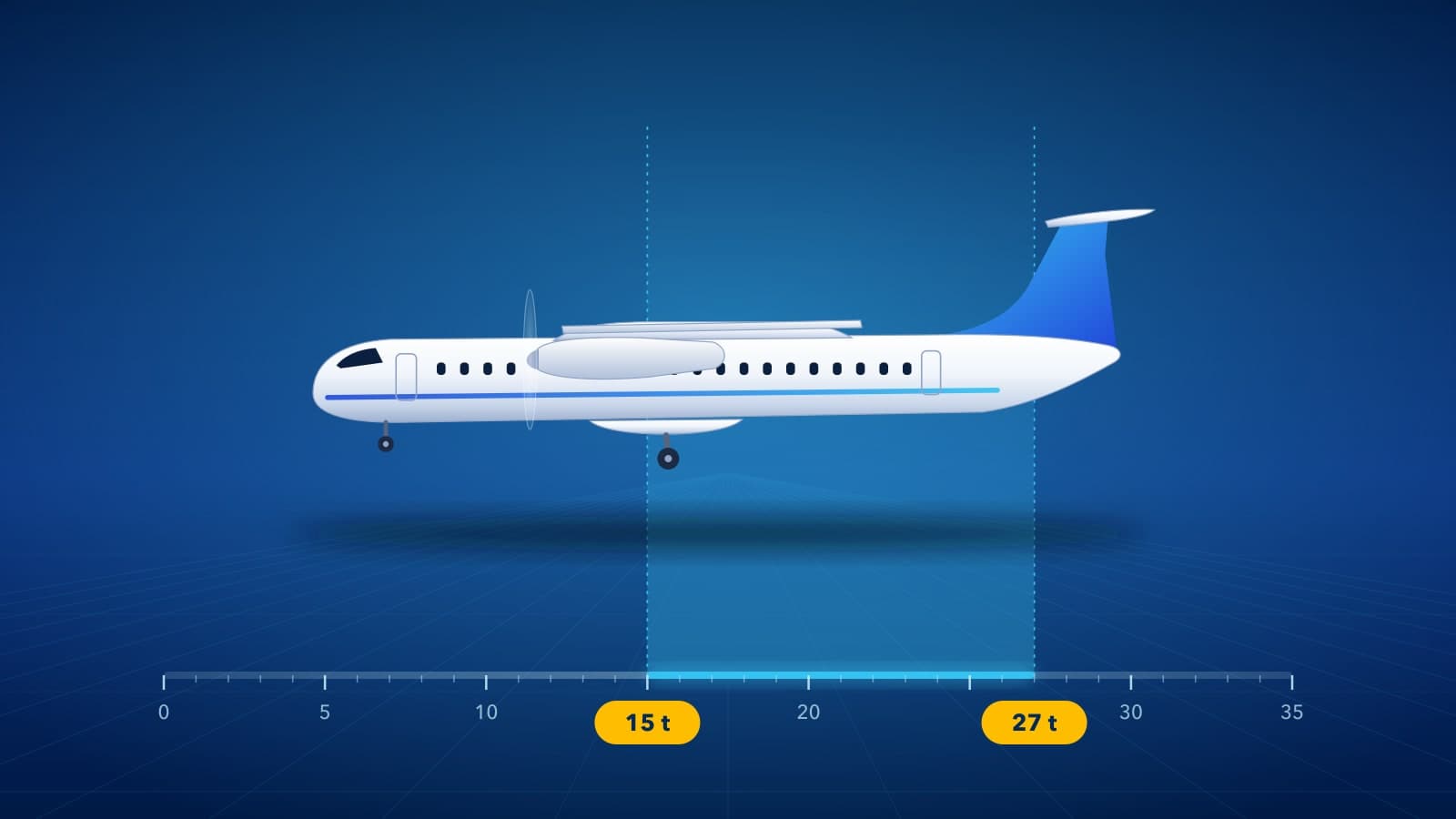
The binding rule itself does not change: commercial air transport operators of aeroplanes with a maximum certificated take-off mass (MCTOM) of more than 27,000 kg, and offshore helicopter operators whose helicopters must carry a flight data recorder, still have to run an FDM programme. The objective is to make FDM programmes more effective and achieve better integration with aircraft operators’ management systems. Until 31 December 2027 the current AMC still applies.
The targets
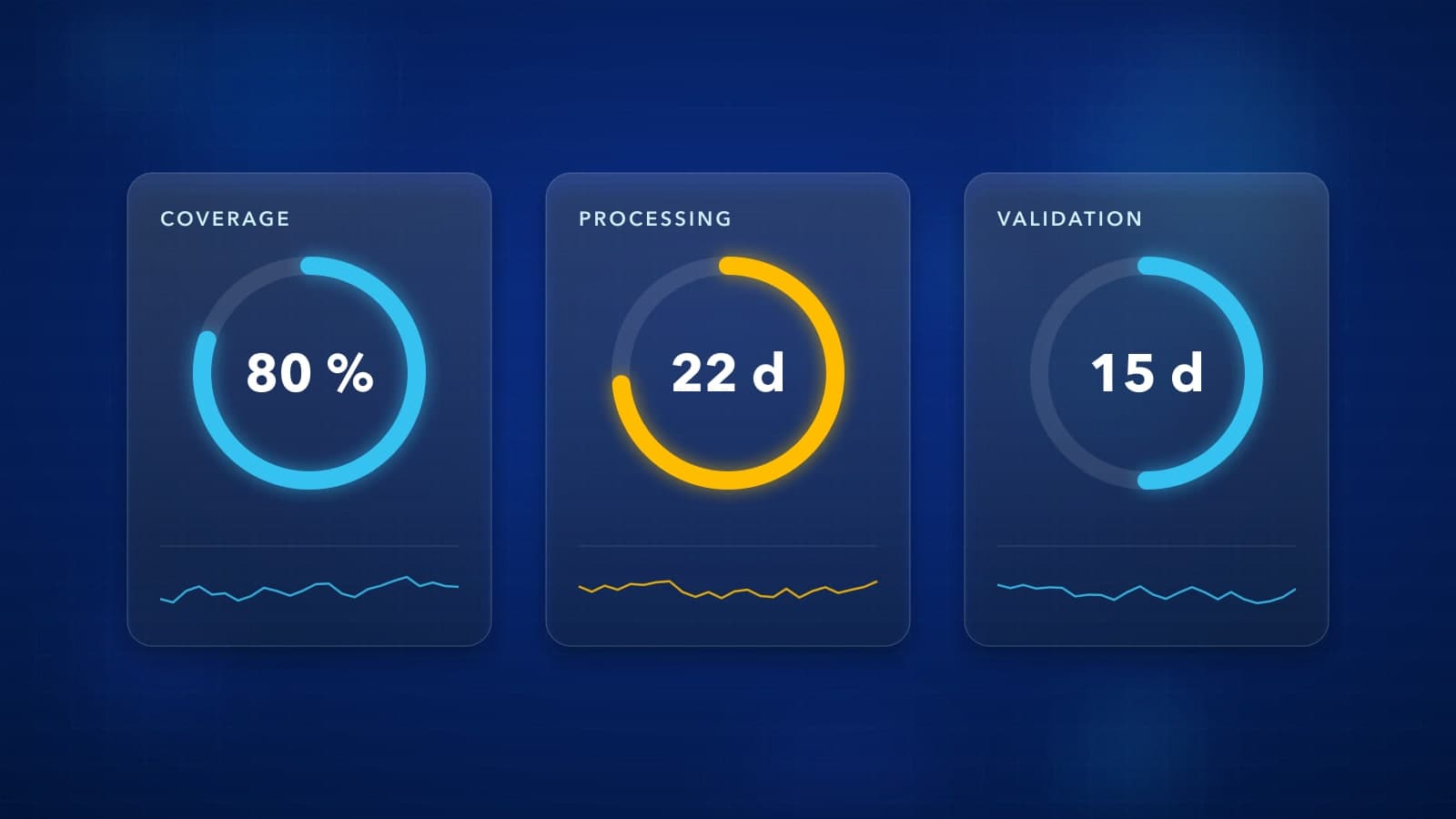
Coverage. The flights with valid data available to the FDM programme should be at least 60 % of all flights flown in the past 12 months by the aircraft in scope if you operate a fleet of less than 20, and at least 80 % if you operate 20 or more aircraft. Aircraft that flew fewer than 50 flights in the past 12 months are not subject to the coverage target. It depends on flights flown, not flights uploaded, so a missing download now counts against you.
Identify failed QAR. You should be able to tell that an individual aircraft has stopped delivering data within 22 calendar days or 10 flights, whichever you choose, and fix the cause within 120 days of finding out.
Processing. At least 80 % of the flights you collect should be processed by the FDM software within 22 calendar days of the flight, or before the same aircraft flies 10 more times.
Validation. The decision introduces significant FDM events: the most significant deviations from your procedures, and anything that may affect airworthiness. At least 80 % of them should be validated within 15 calendar days of first detection, and you should be able to explain how you decide whether an event is genuine.
Retention. Raw or decoded data should be kept at least until significant events have been analysed, and at least 80 % of the flight data files should stay re-processable by your FDM software for two years. There is relief for the two years after you change software or provider.
What the programme monitors. For aircraft first certified from 2016, the programme should monitor precursors of four key risks: runway excursion, airborne collision, loss of control and collision with terrain. Where the parameters exist, it should also monitor exceedances that may affect airworthiness, such as speed and configuration, accelerations, attitude, engine limits and weight, and crew alerts. On request you should be able to show which mandatory-reportable occurrence types under Regulation (EU) 2015/1018 your programme covers.
Integration and protection. FDM becomes a named input to safety risk management, the safety manager and safety review board are responsible for it, and the rules for protecting crew identity are aligned with Regulation (EU) No 376/2014, including when FDM data is used for anything other than safety.
For aeroplanes first certified from 1 January 2029, there is one more step: within 90 days of starting to operate one, you should confirm that all the parameters a flight data recorder must record are reaching your FDM software and meet the EUROCAE ED-112A performance specification.
Why 2027 is the year that matters
The targets apply from 1 January 2028, but the coverage target looks back 12 months. A programme that is running properly through 2027 arrives in 2028 with a year of evidence. One that changes provider in late 2027 arrives with a few weeks. EASA gave two years precisely because meeting these targets can mean new procedures, software changes and a new agreement with crew representatives, and each of those takes time.
What to ask your FDM provider
If you are reviewing or choosing an FDM provider for 2027, these questions follow directly from the new guidance:
Can it measure coverage against flights flown, from a source such as your operations system or flight tracking, rather than against files received?
Will it tell you, per aircraft, when data has stopped arriving, before 22 days or 10 flights have passed?
Can it show how long each flight took from landing to processing, and the share processed within 22 days?
Can you mark events as significant, and does it record when each was first detected and when it was validated, even if the data is processed again?
Can it re-process two-year-old data with today's event definitions?
Can it produce, on request, the list of occurrence types you monitor and how each event is defined?
See where your programme stands
We offer a free 2028 readiness review: we look at your current programme, whoever runs it, against the new targets and tell you where the gaps are. Our FDM requirements check confirms whether your aircraft are in scope.