AeroSight Team
A guide to choosing an FDM provider. It explains what the regulations require from 2027 and 2028, how to assess coverage, processing time, event validation, review tools, data retention, security, integrations, managed FDM and pricing, and ends with a checklist for the first meeting.
Choosing a flight data monitoring (FDM) provider is a long-term decision. It determines how much of the safety team's time is spent collecting and handling data rather than acting on what the data shows, and whether the operator can demonstrate the programme's effectiveness to its authority.
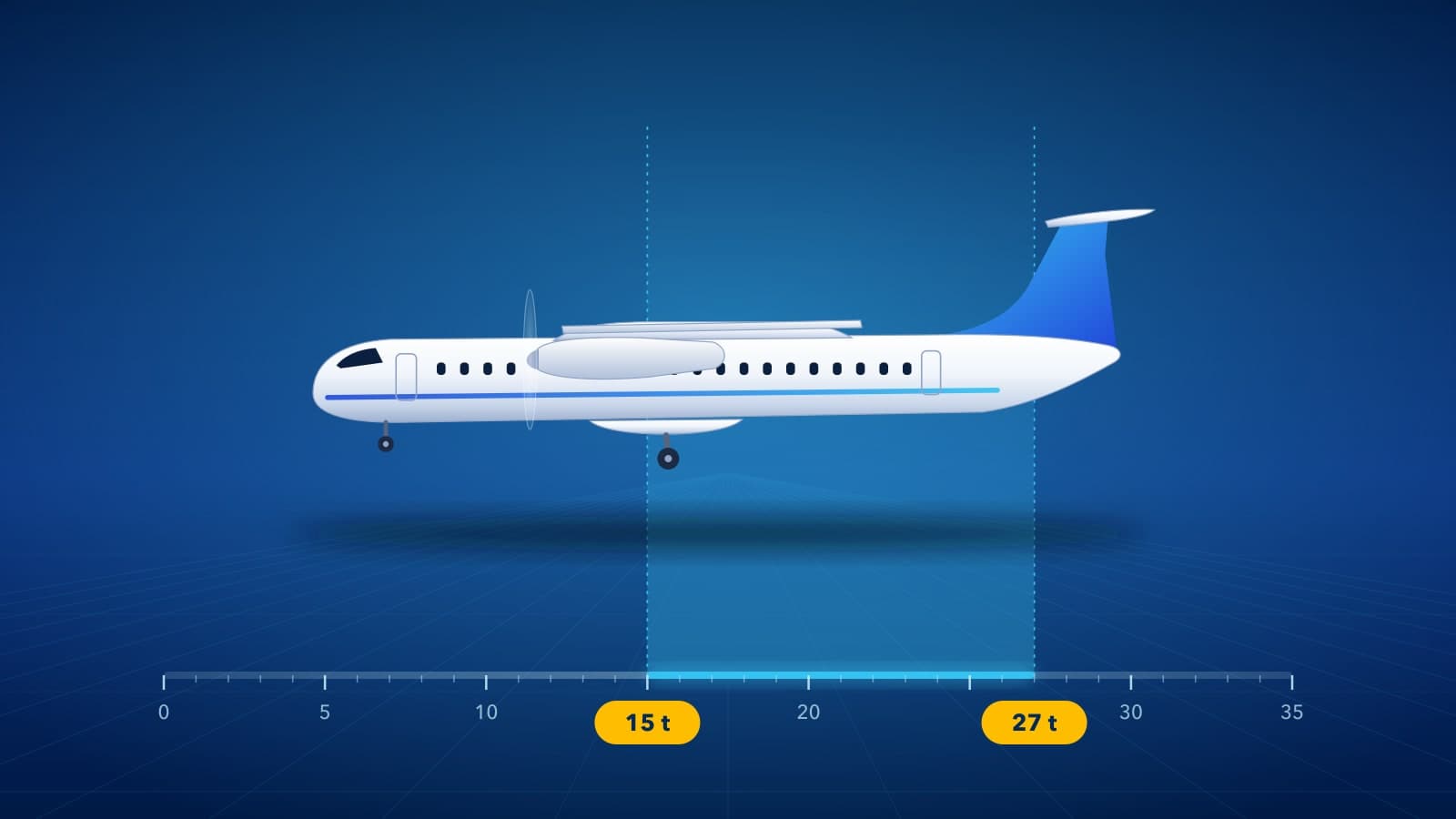
From 2027, more operators will face this decision. On 1 January 2027, a new ICAO Annex 6 Standard extends the flight data analysis programme requirement (ICAO's term for FDM) to aeroplanes of a certificated take-off mass in excess of 15,000 kg with more than 19 passenger seats whose certificate of airworthiness is first issued on or after that date. Several States go further, among them Brazil and Canada (New FDM rules from 1 January 2027). In Europe, EASA's amended acceptable means of compliance (AMC) to ORO.AOC.130 and SPA.HOFO.145 introduce measurable targets for FDM programmes from 1 January 2028 (EASA's 2028 FDM targets). Whether an operator is establishing a new contract with flight data monitoring (FDM) provider or reviewing an existing one ahead of 2028, it needs to know which questions to ask.
This guide sets out the questions that distinguish one provider from another. It does not compare named providers, because the right choice depends on the fleet, the type of operation and the team that will run the programme.
What must the programme achieve?
Before comparing providers, establish which requirements apply to your fleet and from what date. The binding rules differ from one authority to another:
EASA. Commercial air transport operators of aeroplanes with a maximum certificated take-off mass (MCTOM) of more than 27,000 kg are required to establish and maintain an FDM programme (ORO.AOC.130). An FDM programme is also required for commercial air transport offshore helicopter operations with a helicopter fitted with a flight data recorder (SPA.HOFO.145).
Brazil. From 1 January 2027, RBAC 121 extends the flight data monitoring programme, known in ANAC's rules as the PAADV, to aeroplanes with a maximum approved take-off weight over 15,000 kg and more than 19 passenger seats. This includes aeroplanes already in service whose FDR or QAR data can be downloaded without a retrofit (Brazil's RBAC 121).
Canada. Under Interim Order No. 4 (2026), CAR 705 operators on scheduled international services must have an FDM programme for aeroplanes with a maximum certificated take-off weight (MCTOW) of more than 27,000 kg, and for new aeroplanes with an MCTOW of more than 15,000 kg and 20 or more passenger seats.
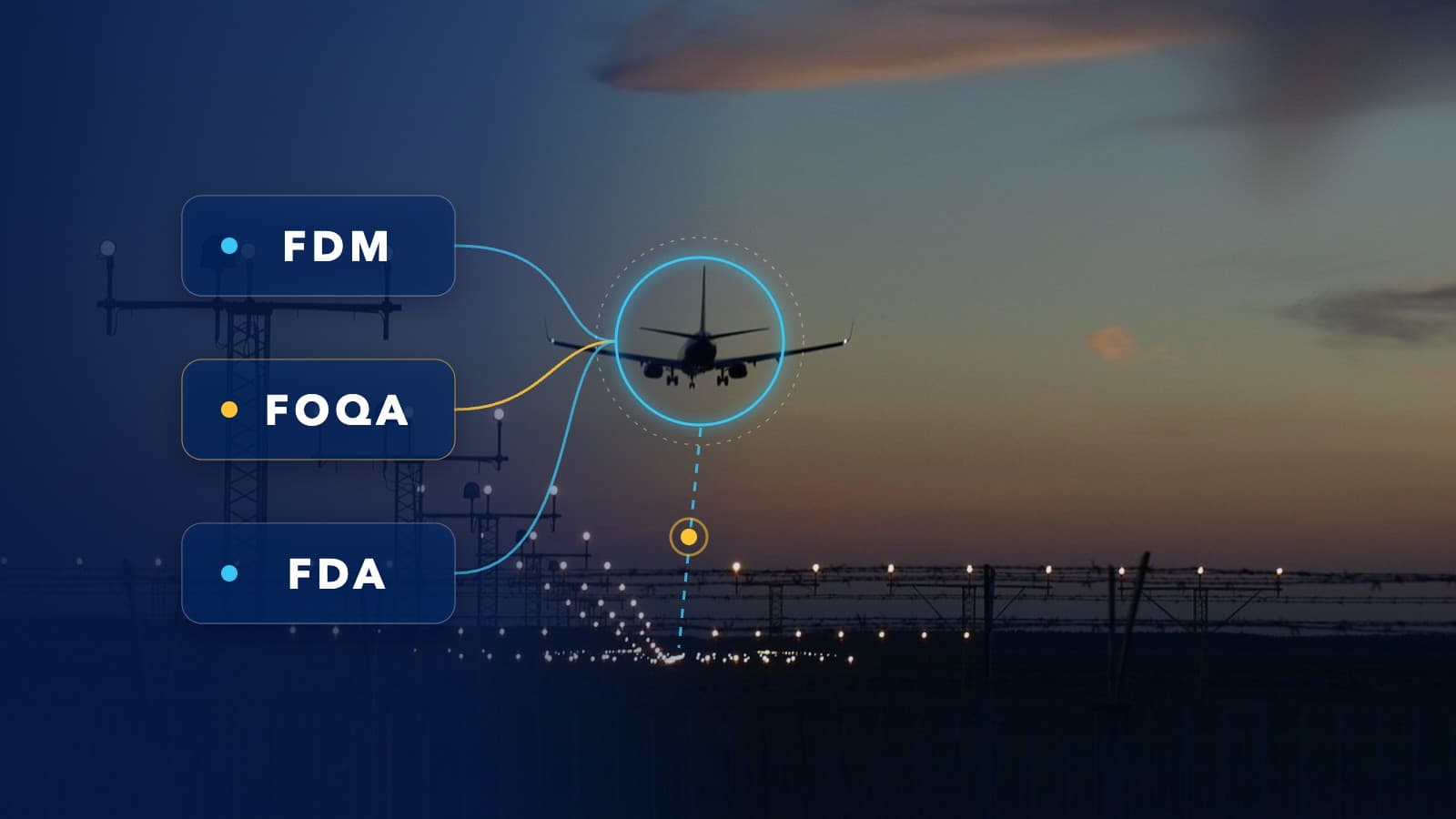
United States. Flight Operational Quality Assurance (FOQA), the FAA's counterpart to FDM, remains a voluntary programme (FDM vs FOQA).
Our FDM requirements check shows whether your aircraft are in scope. The regulations set a minimum, but the purpose of the programme is wider: to identify precursors of the risks that matter in your operation and to feed them into your safety risk management process.
The second episode of our series "Flight data monitoring explained" covers the EASA targets behind several of the questions below. To be notified of new episodes, subscribe to AeroSight on YouTube.
Is every flight covered?
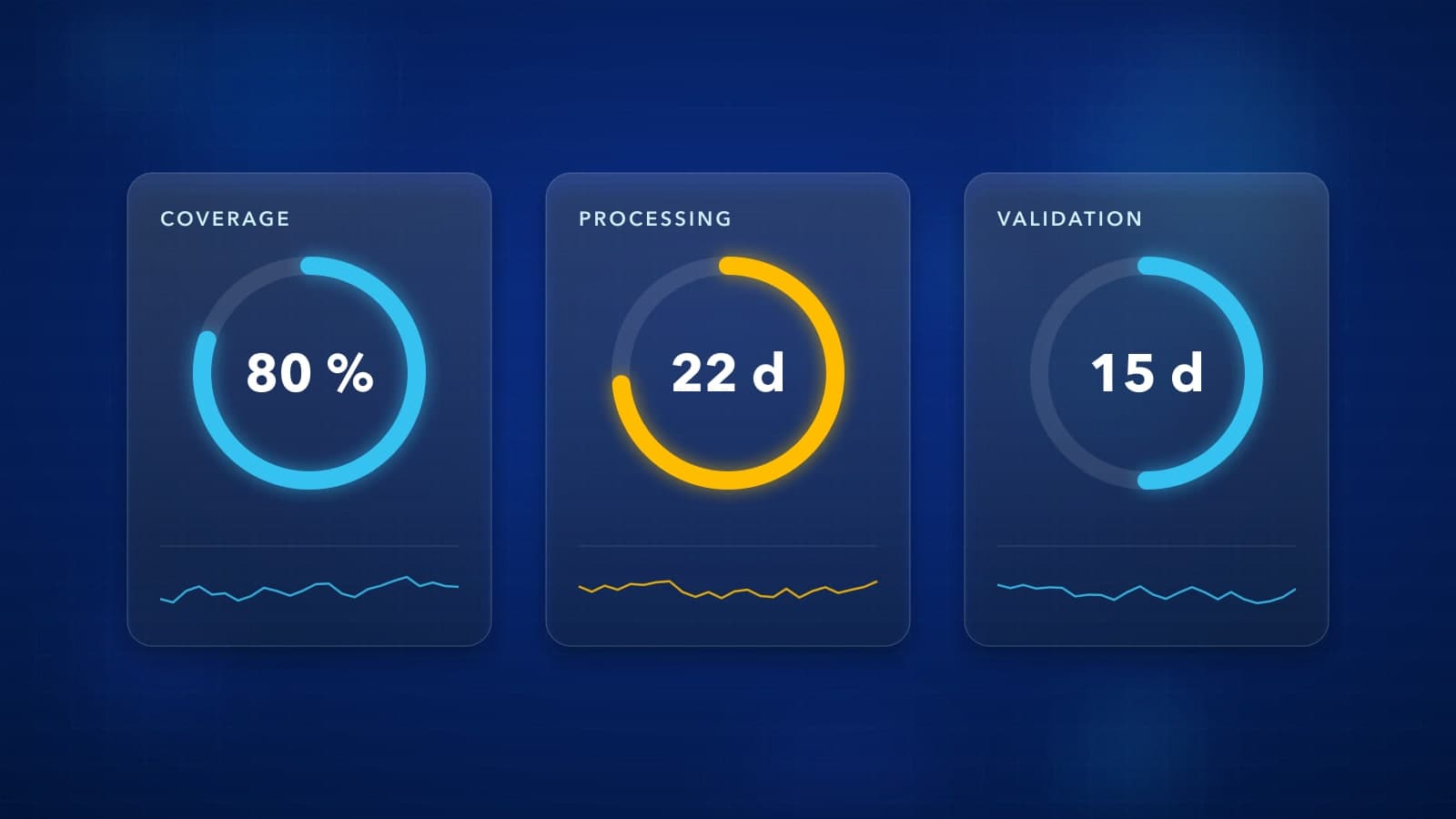
A programme can only analyse the flights received. Ask whether the provider measures coverage against the flights your aircraft actually operated (taken from your operations system or from flight tracking), or only against the data files uploaded. Only the first method reveals a missed download. From 2028, the AMC measures coverage against flights flown, with a minimum of 60 % for a fleet of fewer than 20 aircraft and 80 % for a larger fleet. It also expects an operator to detect, within 22 calendar days or 10 flights, that an aircraft has stopped delivering data. Our article Every flight your fleet flies shows how AeroSight approaches this.
Also establish which recorders, data frame layouts and aircraft types the provider supports today, and how long it takes to add a new aircraft type or data frame. For a mixed fleet, check that helicopters and business jets are supported, not only airliners. Where flight data comes from explains how flight data travels from the aircraft's recorders to the analysis.
How quickly are flights processed?
The sooner a flight is processed, the sooner its events can be reviewed, while the flight is still fresh in the crew's memory. Ask how long after upload a flight's events are ready for review, and whether the provider can show that time for each flight rather than quote an average. The 2028 AMC expects at least 80 % of collected flights to be processed within 22 calendar days of the flight, or within the aircraft's next 10 flights. In practice, the question for most operators is whether results arrive within hours or within days.
Who defines the events, and how are they validated?
Events are only as useful as their definitions (Common FDM events explained). Ask whether your own team can create and amend event definitions and thresholds to match your SOPs and your fleet, or whether every change must go through the provider. Equally important is who approves a change, and whether earlier versions are kept on record, so that a past event can be traced to the definition in force at the time.
Validation is the next question. A programme that generates more events than the team can review loses its value. Check whether the system records when each event was first detected and when it was validated, and whether events can be classified as significant. The 2028 AMC expects at least 80 % of significant events to be validated within 15 calendar days of first detection. Finally, ask whether the performance of the programme itself is measured, so that coverage, processing times and validation times can be demonstrated to an auditor (Your FDM programme's health, on the dashboard).
What do the review tools show?
An analyst validating an event needs to see it in the context of the whole flight. Ask what the review tools provide: a 3D reconstruction, maps, time-history plots of the recorded parameters, and the weather and published procedures in force at the time (See the flight, not the spreadsheet). Find out how quickly an analyst can move from an event to the point in the flight where it occurred. If pilots or training captains will use the results, ask what they will see and how crew identity is protected.
Who owns the data, and how long is it kept?
The flight data should remain the property of the operator, and the contract should say so. Confirm in which formats the data can be exported, and whether a full export is available at any time, including at the end of the contract. Ask how long data is retained, and whether older data can be re-processed with current event definitions. From 2028, EASA expects at least 80 % of flight data files to remain re-processable for two years.
How are flight data and crew identity protected?
Flight data is sensitive. Look for certification to ISO/IEC 27001 for information security management, and check what the scope of the certificate includes. Check also whether user roles and access rights can be configured to reflect your information security policy, and whether the de-identification procedures defined in your FDM programme can be applied as written. In Europe, the 2028 AMC aligns the protection of crew identity with Regulation (EU) No 376/2014, including where FDM data is used for purposes other than safety.
Which integrations work today?
FDM delivers its value when its findings reach the people who act on them. Ask which integrations are in operation today, rather than planned. With a safety management system (SMS), validated events should reach the SMS reporting tool without being entered again by hand. With flight operations or crew planning systems, flights can be linked to crews for pilot performance and training programmes. Where an integration works in both directions, data entered in one system does not have to be entered again in the other.
Can the same data support engine monitoring and fuel efficiency?
The recorder data collected for the FDM programme can also serve engineering and flight operations. Where the provider can use it for engine condition monitoring and fuel efficiency analysis on the same platform, no second data feed is needed.
Software, a managed service, or both?
Some operators run their programme with their own analysts; others prefer to have it run by the provider's analysts. Ask whether the provider offers both models, and whether you can move from one to the other on the same platform as your team gains experience. For a managed service, ask who reviews the flights, what qualifications and operational experience they have, how often you will receive reports, and how findings reach your safety review board. In either model, the operator retains overall responsibility for its FDM programme.
Who will support your team?
An FDM programme raises operational questions as well as technical ones: whether an event reflects the operation or the data, how a threshold should be set for a particular procedure, or how a finding should be presented to the safety review board. Ask who on the provider's side answers these questions, and what aviation background they have, such as flight operations, flight data analysis, safety management or continuing airworthiness. Support from people who understand how aircraft are operated, and not only how the software works, shortens the time from a question to a decision. Ask also how support is reached, and who helps your team set up its Event Definition Sheet during onboarding.
How is the price structured?
FDM prices are rarely published, because the cost depends on the fleet and on the scope of service. Ask whether the price is set per aircraft, per aircraft type, per module or by service level, and what it includes, such as onboarding, user training, new data frames, managed analysis and support. The minimum contract term and the conditions for ending it are worth clarifying at the same time.
Can you see a demonstration on your own flights?
A demonstration on sample data shows the software. A demonstration on your own flights shows what the programme would find in your operation. Ask for the latter, and ask to speak to an existing customer whose fleet and operation are similar to yours.
A checklist for the first meeting
How is coverage measured, and how quickly would we know that an aircraft has stopped delivering data?
Which recorders, data frames and aircraft types do you support today?
How soon after upload are a flight's events ready for review?
Who creates and amends event definitions and thresholds, and how is each change approved and recorded?
How are events validated, and are the detection and validation dates recorded?
Can we export all our data at any time, and how long is it retained?
Which security certification do you hold, and how are access rights and de-identification controlled?
Which integrations are in operation today?
Can the same data be used for engine condition monitoring and fuel efficiency?
Can we run the programme ourselves, have your analysts run it, or combine the two?
Who will support our team, and what aviation background do they have?
How is the price structured, and what does it include?
Can you demonstrate the system on our own flights?
How can AeroSight support you?
AeroSight FDM is cloud-based flight data monitoring (FDM/FOQA) software for airlines, business aviation and helicopter operators. Flights are processed within minutes of the data arriving, with weather and navigation data built in. ADS-B flight history, shown alongside the recorder data, identifies the flights whose data has not yet been downloaded. Each operator maintains its own Event Definition Sheet (EDS) in the platform, without raising support requests. A change can be approved by a second person before it takes effect, and earlier versions remain on record. Every flight can be reviewed in 3D, and programme-health KPIs show how the programme itself is performing. Flight data is retained for five years, including after the subscription ends, and can be exported in full, in open formats, at any time. AeroSight is certified to ISO/IEC 27001:2022 for information security management.
The same recorder data serves Engine Condition Monitoring and Fuel Efficiency on the same platform, and AeroSight FDM v2 integrates with SafeJets in both directions. Operators can run AeroSight FDM with their own team or choose managed FDM, in which AeroSight's flight data analysts run the programme on the platform and the operator's safety team decides on the actions to take. Helicopter operators have the same choice.
AeroSight has provided flight data monitoring since 2016 and serves more than 100 operators across more than 40 aircraft types. It processes around 40,000 flights a month and has processed more than 1.5 million flights since 2016. AeroSight FDM v2, a rebuild of the platform, was released in October 2026. It is offered as a flexible subscription, tailored to the number and types of aircraft in your fleet.
If you are reviewing your programme ahead of 2028, our free 2028 readiness review assesses your current programme against the new targets, whoever runs it today, and identifies any gaps.